
Introduction
Digital health devices
Digital health devices, from connected pillboxes to surgical staplers, are transforming patient care. But their rapid growth is fuelling a rising tide of electronic waste.
The challenge

These devices often contain electronics, batteries and critical raw materials, yet after use they are frequently classified as medical waste and incinerated, destroying components and materials that could have a second life.
DiCE project network
DiCE - Digital Health in the Circular Economy - was created to rethink the system. An EU-funded Horizon Europe project, DiCE unites 20 organisations across nine countries: manufacturers, researchers, recyclers, policymakers and behavioural scientists.






Six digital health device examples
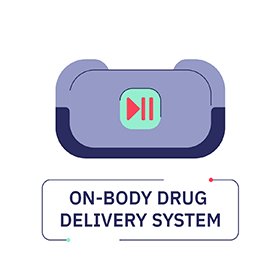
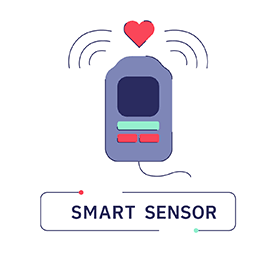
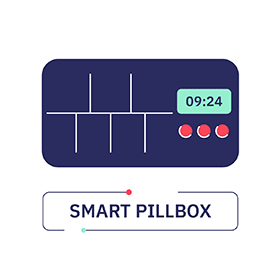
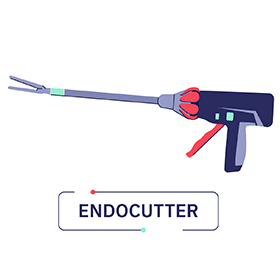
DiCE grounded its work in six real digital health devices, spanning surgical, clinical and home settings.
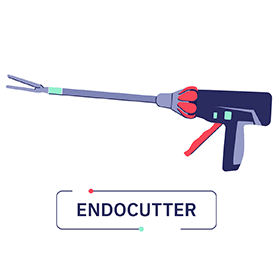
- Endocutter: powered surgical stapler used in minimally invasive surgery
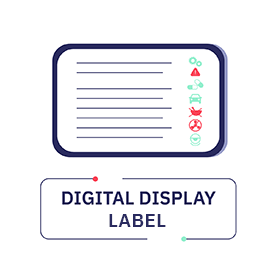
- Digital Display Label: reusable e-ink label on clinical-trial medicine packaging
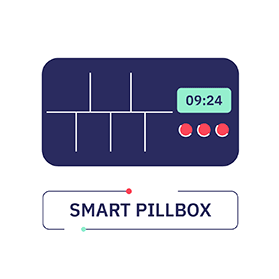
- Smart pillbox: connected medication organiser supporting patient adherence
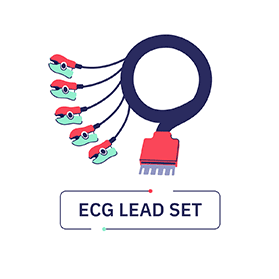
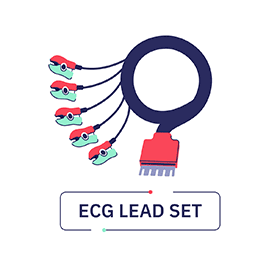
- Electrocardiogram (ECG) lead sets: cables connecting patients to heart monitors
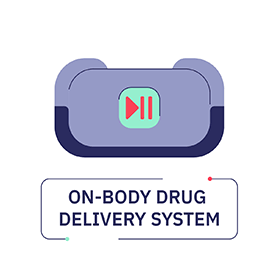
- On-Body Delivery System: A wearable sensor for patients who are discharged from the hospital, facilitating convenient recovery at home while monitoring vital signs.
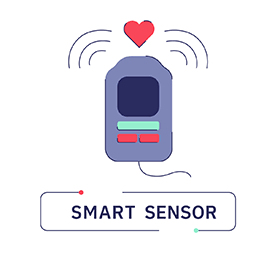
- Smart sensor: a single-use wearable sensor that lets discharged patients recover conveniently at home while their vital signs are monitored until no longer needed
DiCE project focus areas
DiCE set out to support the transition from a linear “take-make-waste” model to a circular one, extending product lifetimes, recovering materials, and testing solutions across the full lifecycle.
It did this by focussing on:

LCA (Life Cycle Assessment)
Understanding where environmental impacts originate is a prerequisite for knowing where to act. This is why the environmental impact assessments conducted within DiCE analysed each device at both product and system level.
For the endocutter for example, at product level, manufacturing dominates: circuit boards alone account for up to 92% of the endocutter’s mineral and metal resource use, despite making up only around 15% of the device’s mass.
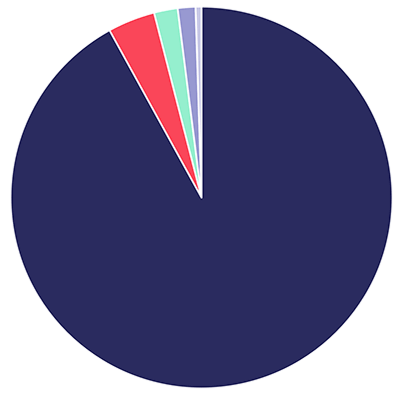
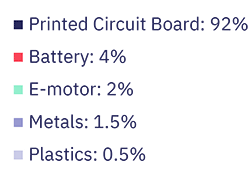
Product Level Environmental Hotspots of the Endocutter
At system level the picture reverses: once the full surgical care pathway is considered, the powered endocutter reduces climate-change impact by around 12% compared with the manual device — thanks to shorter surgical duration and one less day in hospital.
The research identified three common patterns across all devices:
- Electronic components (circuit boards, batteries, LEDs, displays) are the universal product-level hotspot across every device.
- System-level context reshapes the picture every time: the dominant driver shifts away from the device itself in every case studied.
- Lifetime extension (reuse, refurbishment, reprocessing) consistently outperforms recycling improvements alone.
Circularity Dashboard
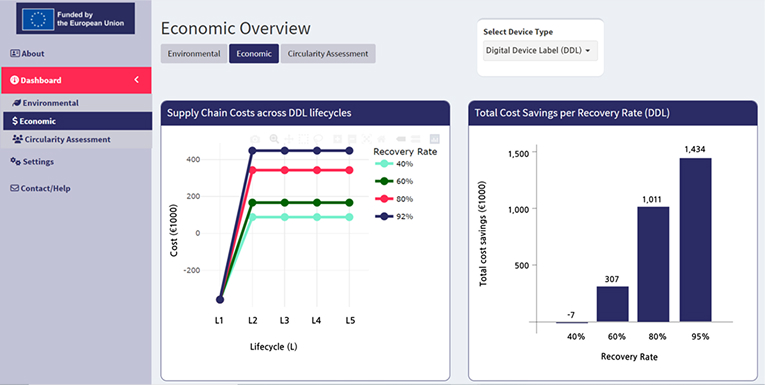

DiCE also produced a Circularity Dashboard, a policy-support tool that turns complex system data into accessible insight. It helps policymakers compare circularity, cost and environmental performance across ‘what-if’ scenarios.
Circular Design
Circular design in healthcare
Circular design in healthcare is always shaped by patient safety, clinical performance and usability.
Four design case studies, developed in DiCE with clinicians, engineers and users, feed into a five-step Circular Design Guide.
Cleanability, disassembly, component lifetimes, clinical workflows and traceability all were found to be essential across these case studies.
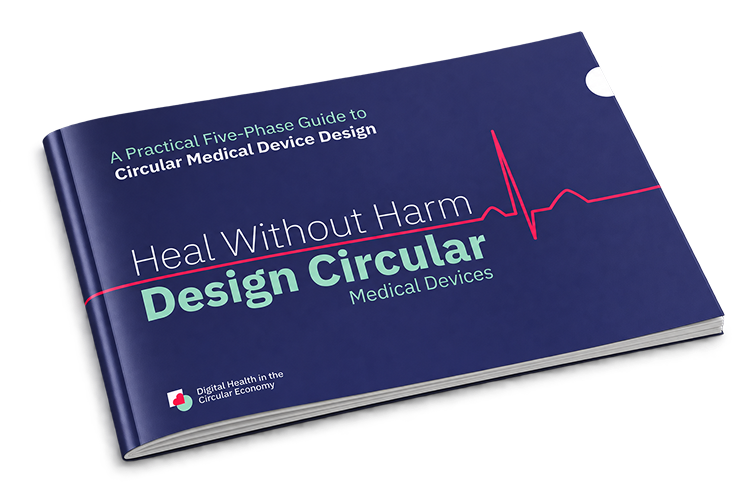
Five steps in the Circular Design Guide
The Circular Design Guide produced in DiCE integrates circular thinking into existing digital health development processes, it doesn't replace them or ask teams to start from the beginning. It's structured around five iterative steps:
- Define: clarify the need for intervention and locate environmental hotspots
- Question: challenge default design choices (refuse, rethink, reduce)
- Circulate: plan how the device stays in use beyond a single lifecycle
- Embody: translate strategy into concrete design requirements
- Evaluate: assess impact and check circular intentions are met
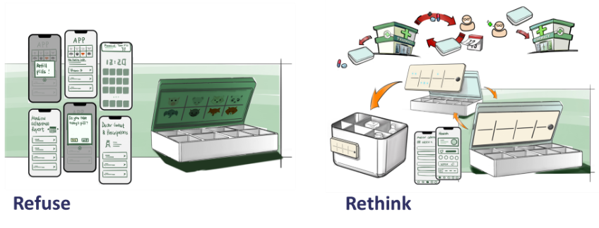
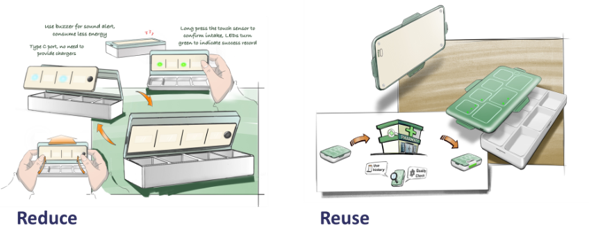
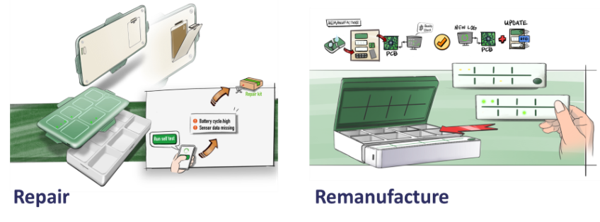
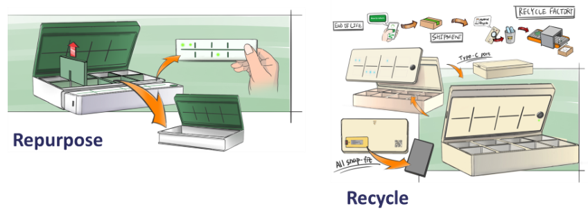
Smart pillbox redesign case study
In the case study of the redesign of the smart pill box, several concepts separated the electronics from the medication-storage part, keeping high-value components in use beyond a single product cycle, while making cleaning, disassembly and repair easier. The case study also explored shared-use and service-based models, which depend on supporting systems for collection, inspection and redistribution.
Return & Recovery
Citizen return and recovery pilots
DiCE ran large-scale pilots involving over 400 citizens in three countries to test how citizens handle digital health devices, like smart pill boxes, once they are no longer needed: Belgium (Geel), Spain (Valladolid) and Slovenia (Maribor)



At the start of the pilots over 60% of citizens said they were likely to dispose of their end-of-life devices responsibly.
Why convenient return systems matter
But the pilots showed that willingness alone isn't enough. Practical factors, such as convenient collection points, clear instructions, reliable logistics and multiple return options that fit into users’ daily routines, matter just as much.
See more info below:



NUDGING CONSUMERS
TO RETURN DEVICES
As part of the pilots, nudging strategies were also tested.
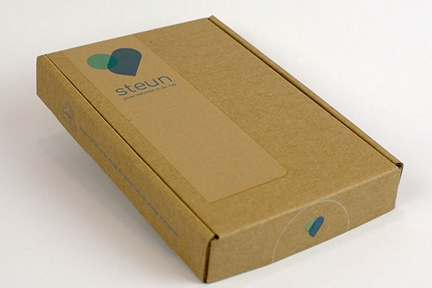
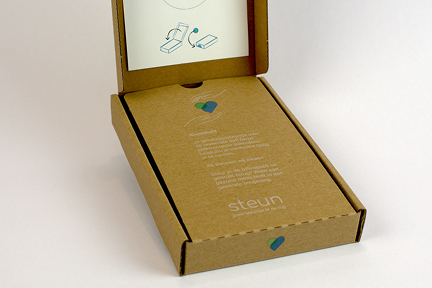
For example, for the pill boxes a baseline version of the packaging included only what is needed for basic functionality and legal compliance, i.e. instructions and return labels with no motivational elements. Three further versions progressively added usability features, motivational messaging, illustrated cartoons and premium, reuse-signalling packaging.
The most elaborate strategy performed best in Spain and Belgium, while a simpler strategy achieved the highest relative return rate in Slovenia, showing that adding motivational features doesn't automatically improve outcomes. The most effective approaches combined practical clarity with a visible reason to return.
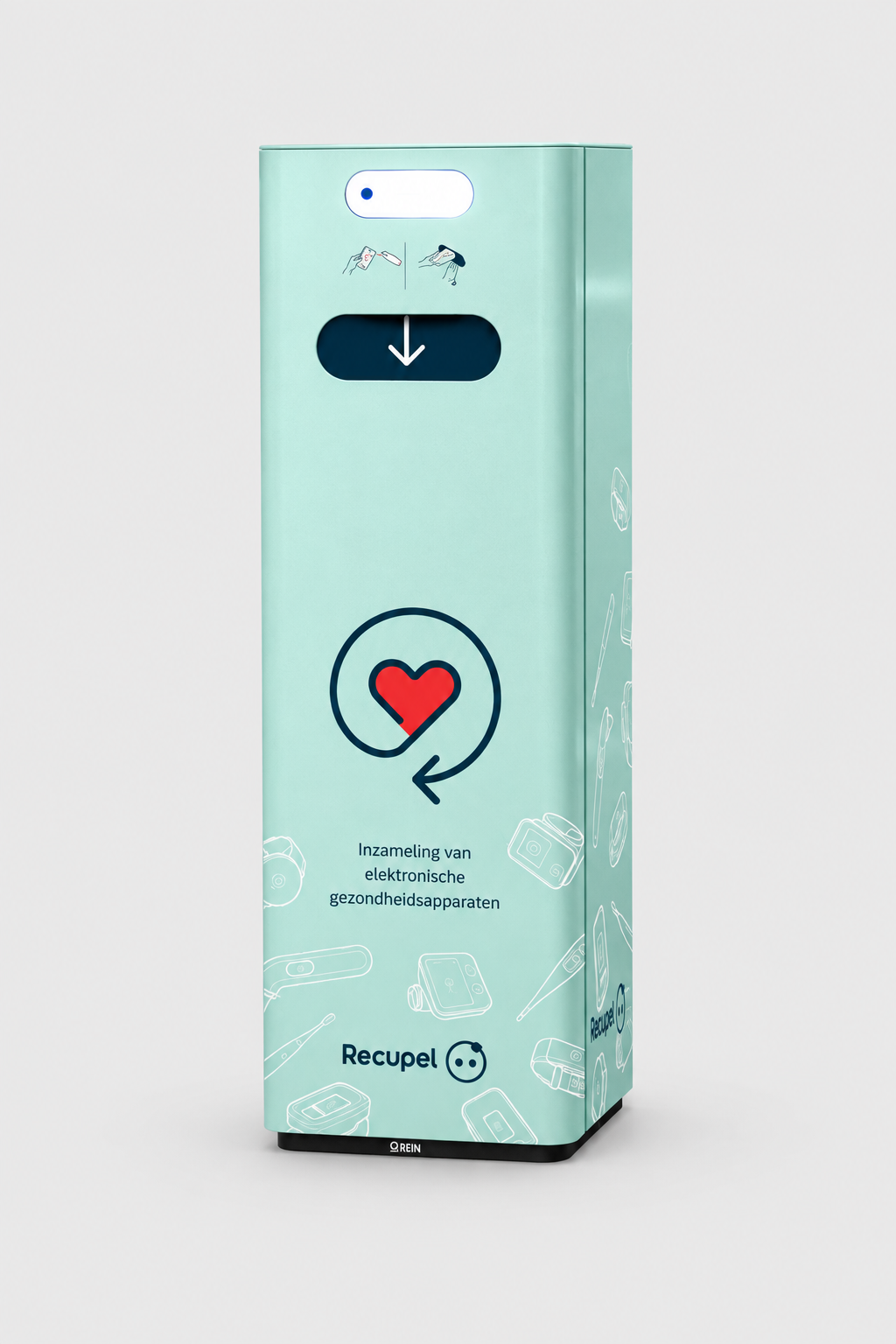
GRIN smart collection system
As part of the pilots, DiCE also tested a smart collection system built by Norwegian company GRIN: users scan a QR code, the hatch unlocks, and the deposit is photographed and logged, creating a traceable record while keeping user participation anonymised.
During the pilots 25 GRIN smart collection machines were deployed across Belgium, Spain and Slovenia.
Choosing the right reverse-logistics pathway
There's no single reverse-logistics model that fits every device. The right pathway depends on device type, condition after use, infection risk, and whether reuse, refurbishment, reprocessing or recycling is technically and legally possible. Early source segregation and risk screening preserve the most value.

Recycling digital health devices
Recycling remains an essential last step, but is constrained by contamination risk, complex multi-material designs, and limited transparency about where materials, including critical raw materials, sit inside a device. Improving recyclability requires both better device design and clearer handling pathways.
Business & Policy
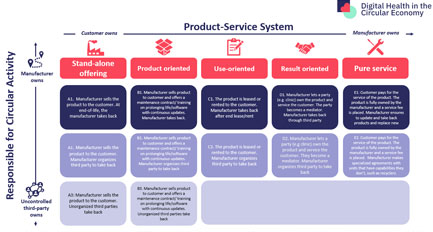

BUSINESS MODELS
The clearest lesson from DiCE: circular business models can't be generalised across a sector. Manufacturers should build 'product family' models, grouping devices by shared design, use context and circular potential, and lead with the economic case, since hospitals and manufacturers both operate on market logic, not sustainability commitments alone.
POLICY RECOMMENDATIONS
DiCE's findings translate into clear priorities for EU policymakers:
- Standardise Material Data Harmonisation under the Ecodesign for Sustainable Products Regulation (ESPR).
- Reconcile sustainability requirements specified under ESPR with the Medical Device Regulation.
- Clarify device classification under the WEEE Directive and expand the List of Waste
- Accept reprocessing as a valid option and clarify its practice across the EU through clear regulatory guardrails.
- Implement circularity indicators, for instance in the forthcoming Circular Economy Act
Training Materials
A LEARNING LIBRARY ACROSS EVERY STAGE
DiCE developed a range of training materials covering sustainability assessment, circular design, behavioural nudging, and safe collection and recovery.
Materials are tailored to technical experts, healthcare professionals, policymakers and waste management actors, combining written guidelines, presentation slides, recorded webinars and interactive digital tools.
Looking Ahead
Initiatives building on the DiCE foundations
DiCE may be ending, but the transition it set out to support is only beginning. Related initiatives — including ENKORE, the UK's Design for Life programme, and industry bodies such as MedTech Europe and EFPIA — are already building on its foundations.
The priority now is to translate these insights into coordinated action across industry, healthcare systems and policy, combining better design, effective return systems, practical recovery pathways, viable economics and supportive regulation.
AUTHORS:
Nanett Kalapos, Magdalena Charytanowicz, Maria Anta, Michelle Wagner, James Horne – WEEE Forum; Dejanira Araiza Illan – Johnson & Johnson; Sonia Valdivia – World Resources Forum; Erasmo Cadena – Ghent University; Tamara Hoveling – Delft University of Technology; Sascha Vermeylen – Living & Care Lab LiCalab; René Luigies – Games For Health; Sophia Kalinina – GRIN; Rebecca Baaijens – MIREC, Nazokatkhon Akhmadjonova – Freie Universität Berlin
PROJECT PARTNERS:



















GET IN TOUCH:
info@circulardigitalhealth.euFOLLOW DiCE:


ACCESS DiCE RESEARCH RESULTS: